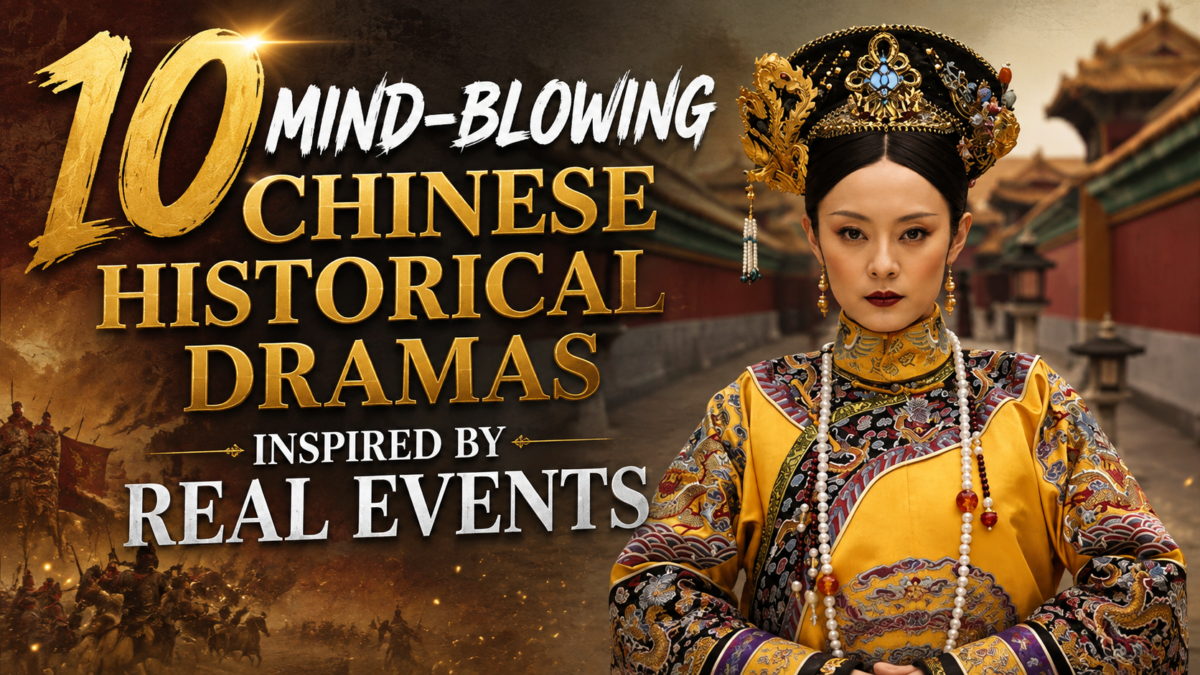
I spent the last three months down a massive C-drama rabbit hole, rewatching and analyzing the most compelling Chinese historical dramas inspired by real events to see which ones actually hold up. As someone who lives and breathes historical television, I needed to know if these sprawling palace sagas, royal court betrayals, and grand dynastic romances offer real cinematic brilliance or just empty eye candy.
From the intricate embroidery on imperial robes to the brutal, chess-like political scheming in the Qing and Song dynasties, these series hit differently when you realize the heartbreak on screen actually happened. Trust me, once you swap generic fantasy tropes for actual recorded history, you will never look at costume dramas the same way again.
Whether you are a seasoned C-drama fan or looking for your next obsession, I have ranked the absolute best real-history adaptations based on production value, narrative sharpness, and sheer bingeability. Let us dive into the ultimate rankings and see which palace power plays reign supreme.
10. Serenade of Peaceful Joy
Best For: Fans of slow-burn political realism, understated aesthetics, and historical accuracy over cheap drama.

When I sat down to rewatch this 70-episode masterpiece, I was immediately struck by its refusal to rely on sensationalized tropes. The series captures the reign of Emperor Renzong of the Northern Song Dynasty with unmatched visual reverence, down to the authentic pearl face adornments worn by court ladies.
What impressed me most during my evaluation was how the script highlights real historic figures like Justice Bao and scholar-poet Fan Zhongyan. It presents the genuine, messy realities of balancing scholar-bureaucrat debates with personal sacrifice instead of forced melodrama.
My take is that this show requires patience, but the payoff is massive if you appreciate genuine cultural immersion. The quiet tension between imperial duty and personal desire feels painfully real throughout every single episode.
- Specific Highlights:
- Authentic Song Dynasty Ru ware porcelain and period-accurate pearl makeup styling.
- Nuanced depiction of real scholar-officials and Emperor Renzong’s meritocratic reforms.
- High-budget art direction that feels like stepping directly into an ancient museum scroll.
9. The Imperial Doctress
Best For: Lovers of female-led biographical sagas and traditional medicine lore.
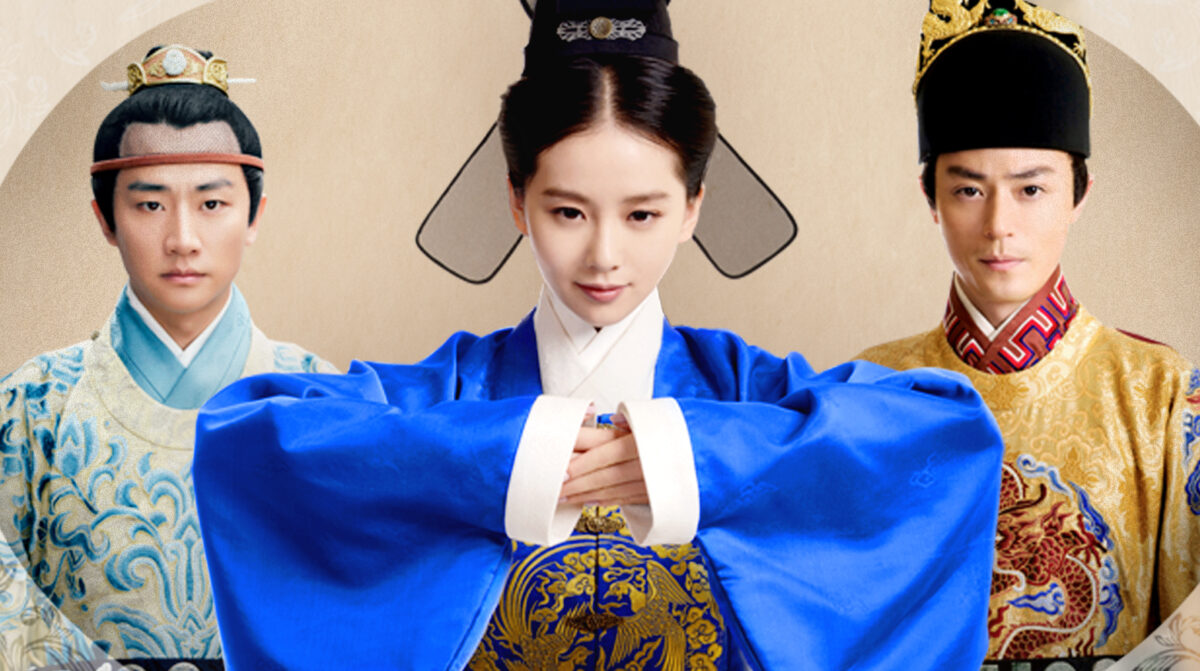
In my experience, Cecilia Liu delivers one of her absolute best performances here as Tan Yunxian, one of ancient China’s few recorded female physicians. Watching her fight against societal taboos to master acupuncture and herbal remedies felt genuinely inspiring.
I appreciated how the show details actual medical treatments documented in Tan Yunxian’s surviving historical texts, Sayings of a Female Doctor. While the romantic rivalry between the royal brothers is dramatized for television, her medical grit remains thoroughly grounded.
If you enjoy watching a resilient protagonist dismantle deep-seated institutional sexism in the Ming court, this one will keep you hooked. It balances fascinating clinical detail with court intrigue effortlessly.
- Specific Highlights:
- Fascinating deep dives into authentic Ming Dynasty traditional medicine techniques.
- Stellar wardrobe featuring exquisite Ming-era hanfu and imperial court attire.
- Compelling narrative arc showcasing Tan Yunxian’s real-life medical legacy.
8. Sound of the Desert
Best For: Enthusiasts of desert battle tactics, passionate romance, and Han Dynasty expansion.

Loosely based on the military exploits of legendary Han Dynasty general Huo Qubing, this series brings desert warfare to life with remarkable energy. Eddie Peng plays the headstrong military prodigy with a dashing charisma that I found completely infectious.
Having researched the Han-Xiongnu frontier conflicts, I loved how the narrative weaves high-stakes campaigns in the Western Regions with intense capital politics. The contrast between raw desert survival and royal court friction creates non-stop narrative momentum.
10 Best Chinese Dramas on Prime Video You Must Binge Right Now
While the central love triangle is heavily dramatized, the underlying geopolitical stakes reflect genuine Han Dynasty history. It is a thrilling ride that never lets up on pacing or visual spectacle.
- Specific Highlights:
- Captivating performance by Eddie Peng as a brilliant, arrogant young military leader.
- Sweeping cinematic visuals shot across the Silk Road and Damo desert plains.
- Intense blend of frontier combat strategy and high-society political drama.
7. Legend of Lu Zhen
Best For: Viewers who adore underdog workplace ambition translated into palace politics.
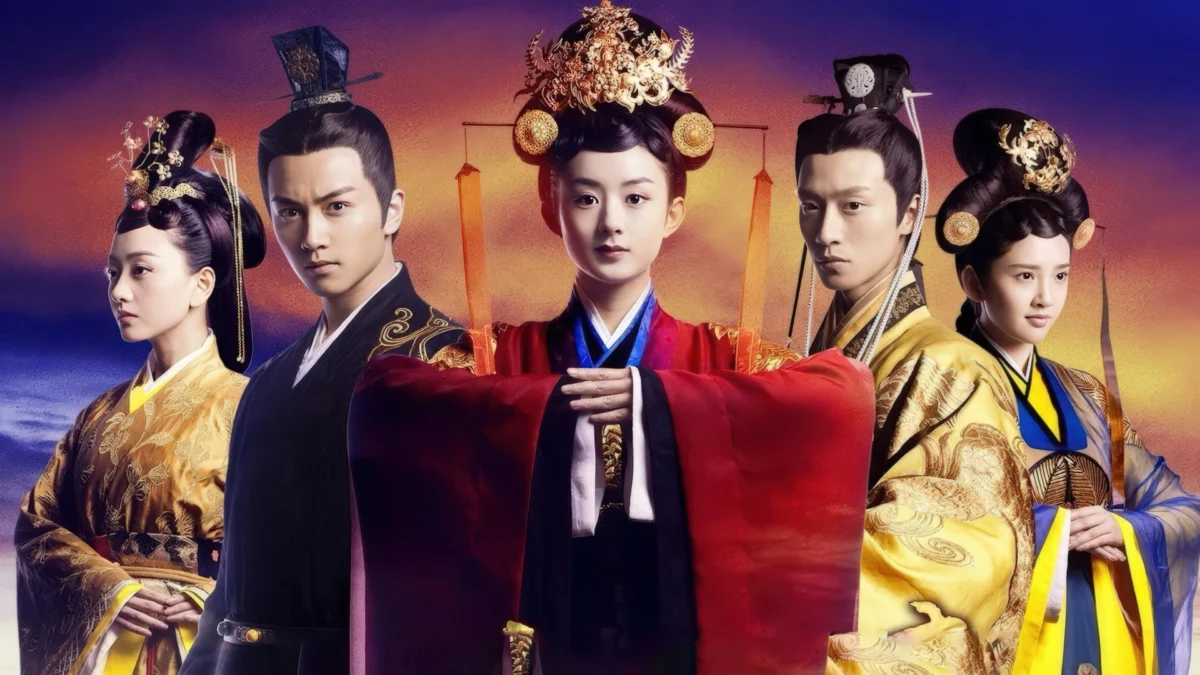
Before Zhao Liying became a global C-drama megastar, she blew me away in this fierce adaptation inspired by Lu Lingxuan of the Northern Qi Dynasty. Watching a young artisan navigate the toxic ladder of the imperial household feels surprisingly relatable for modern professionals.
In my analysis of Northern Qi history, this era was notoriously chaotic, making Lu Zhen’s rise to high political office even more extraordinary. Her mastery of pottery and fiscal management gives her character tangible, earned authority.
My key takeaway is that this show nails the ruthless thrill of palace survival. For more deep dives on imperial sagas, check out our ultimate Chinese Dramas Listicles.
- Specific Highlights:
- Breakout lead performance by Zhao Liying that launched her career into hyper-stardom.
- Intriguing focus on Northern Qi porcelain craft and imperial artisan guilds.
- High-voltage political scheming that keeps every episode unpredictable.
6. The Empress of China
Best For: Fans of maximalist production design, Tang Dynasty fashion, and ultimate power plays.
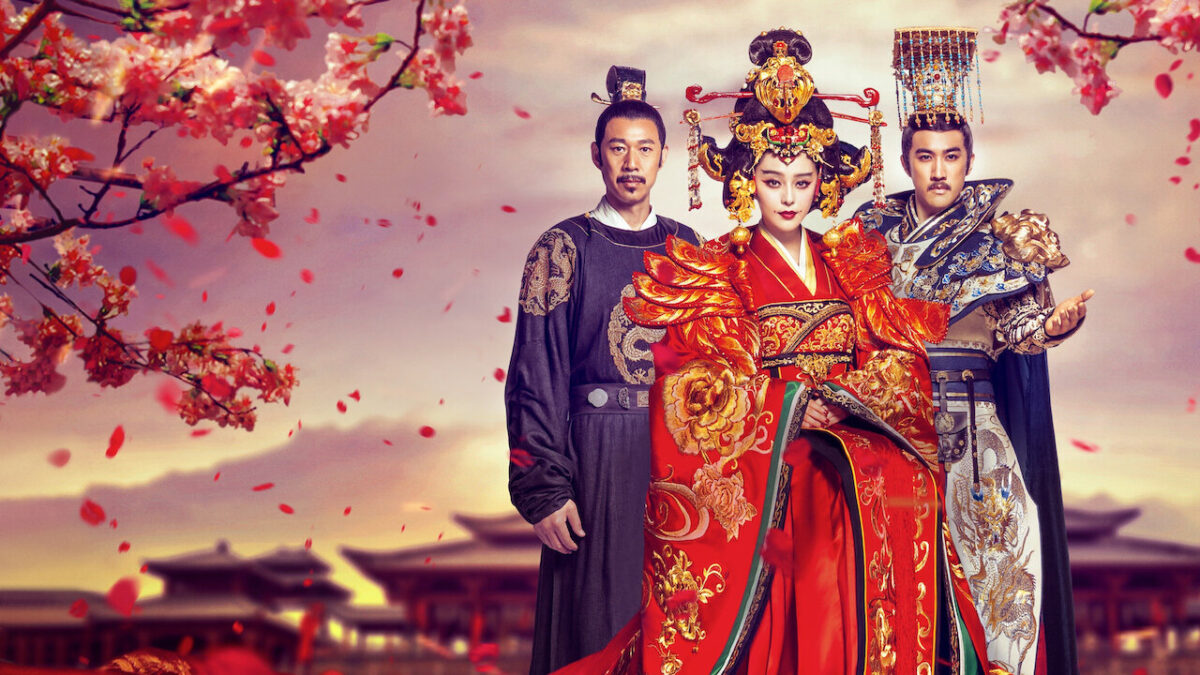
No list of real-history adaptations is complete without Fan Bingbing’s epic portrayal of Wu Zetian, China’s only reigning female emperor. When I rewatched this, the sheer scale of the gold crowns, elaborate costumes, and palace sets left me breathless.
The series tracks Wu Zetian’s journey from a naive 14-year-old concubine to the absolute ruler of the Tang Dynasty. While it leans into theatrical storytelling, her political maneuvering and sheer survival instincts reflect real historical records.
- Specific Highlights:
- Unmatched $50M+ budget showcasing jaw-dropping Tang Dynasty aesthetics.
- Fan Bingbing’s powerhouse performance spanning decades of imperial rule.
- Dramatic chronicle of Wu Zetian’s real-life ascension to Empress Regnant.
5. Rule the World
Best For: Fans of Jurchen history, tribal unification politics, and early Qing Dynasty origins.

When I dived into this series, I was fascinated by its focus on Lady Dongge (Yehe Nara), who historically played a key role during Nurhaci’s unification of the Jurchen tribes. It provides a rare look at the chaotic transition period right before the Qing Dynasty seized national power.
In my experience, most royal court shows start decades later with Emperors Qianlong or Kangxi, so seeing the actual bloody foundation of the empire offers fantastic context. The realistic depiction of northern frontier warfare and tribal diplomacy made my history-loving heart skip a beat.
Top 10 Breathtaking Chinese Dramas With Twins You Absolutely Can’t Miss
While the romantic rivalries get theatrical, the underlying power struggles reflect documented late-Ming geopolitical friction. It is a gritty, action-packed saga that history buffs will deeply appreciate.
- Specific Highlights:
- Authentic focus on early Jurchen tribal politics and Emperor Nurhaci’s expansion.
- Gritty production design capturing northern frontier fortress life and battle tactics.
- Thrilling narrative arc surrounding the legendary beauty Dongge’s political influence.
4. Scarlet Heart
Best For: Emotionally resilient viewers who love high-stakes royal succession battles and time-travel realism.
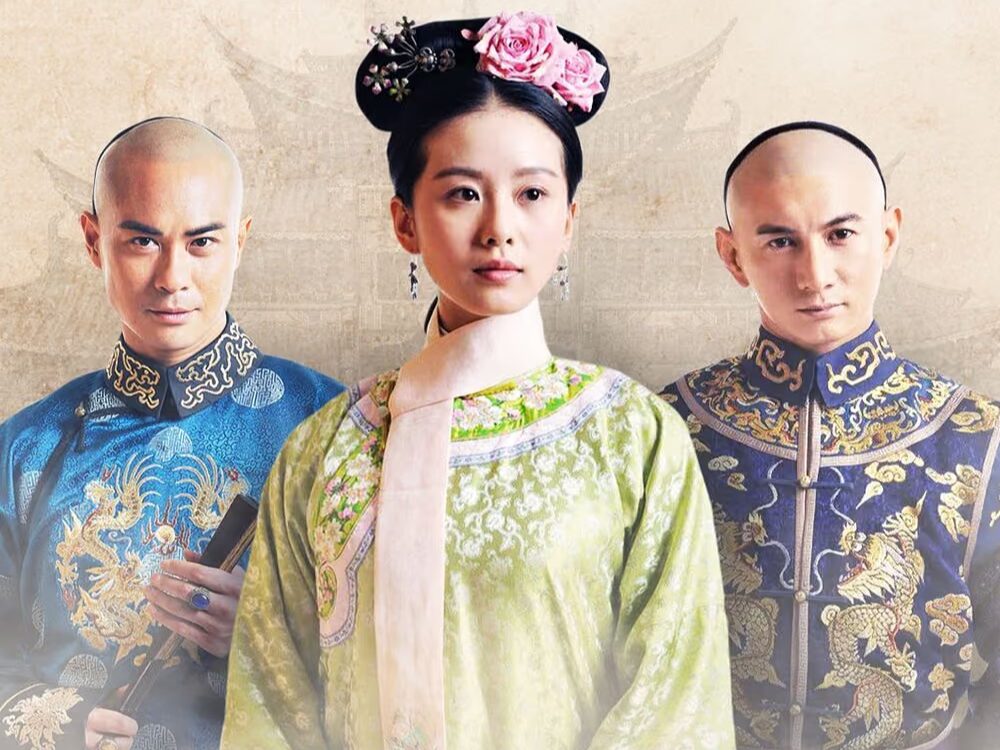
I have rewatched Scarlet Heart multiple times, and the agonizing drama of Emperor Kangxi’s sons fighting for the throne hits with brutal force every single time. It remains one of the absolute gold standards for emotional C-drama storytelling.
What sets this apart in my book is how accurately it captures Emperor Yongzheng’s paranoia and the tragic realities of the historic “Nine Princes’ Contention.” The show does not sugarcoat the deadly consequences of imperial ambition.
Liu Shishi and Nicky Wu have unmatched on-screen chemistry, making every quiet conversation in the snow-covered Forbidden City feel drenched in historical weight. It will break your heart, but you will love every second of it.
- Specific Highlights:
- Masterclass depiction of the historic Nine Princes’ Contention for the Qing throne.
- Iconic winter aesthetic and classic Qing court costuming.
- Unforgettable emotional performances that defined an entire generation of C-drama television.
3. Legend of Concubine Zhen Huan
Best For: Connoisseurs of psychological warfare, royal harem politics, and epic character evolution.

If you ask any hardcore C-drama fan, they will tell you this 76-episode titan is the absolute peak of palace television, and I completely agree. It turns imperial court survival into a high-stakes chess match where one wrong word means execution.
In my review, Sun Li’s transformation from an innocent young noblewoman into a calculating Empress Dowager is one of the greatest acting masterclasses ever filmed. The character writing is so sharp that every single antagonist feels complex and human.
The subtle poisons, poetic insults, and lethal court traps within Emperor Yongzheng’s inner court reflect the terrifying realities of imperial concubine life. It is an absolute masterpiece that set the standard for all costume dramas that followed.
- Specific Highlights:
- Legendary lead performance by Sun Li that set the bar for palace television.
- Razor-sharp dialogue loaded with ancient poetry and lethal double meanings.
- Exhaustively researched Qing court etiquette, tea ceremonies, and medical lore.
2. Ruyi’s Royal Love in the Palace
Best For: Devotees of cinematic art-house drama, deep character psychology, and tragic royal marriages.

I spent weeks recovering after finishing Zhou Xun’s heart-wrenching portrayal of Step-Empress Nara in this sprawling, high-budget Qing Dynasty epic. It treats imperial history not as a glamorous fantasy, but as a suffocating golden cage.
Unlike standard revenge dramas, this series takes a devastatingly realistic look at how absolute power corrupts love, tracking Emperor Qianlong’s gradual descent into paranoia and arrogance. The destruction of his marriage to Ruyi feels hauntingly real.
My assessment is that Zhou Xun gives the performance of a lifetime, using subtle micro-expressions to convey profound grief and dignity. The museum-grade costuming and live orchestral score elevate this into pure television art.
- Specific Highlights:
- Unrivaled cinematic production value with museum-grade silk embroidery and authentic sets.
- Devastatingly grounded portrayal of Emperor Qianlong and Step-Empress Nara’s real-life tragedy.
- Breathtaking musical score recorded with full live orchestral arrangements.
1. Story of Yanxi Palace
Best For: Viewers wanting fast-paced revenge, iconic female empowerment, and unmatched bingeability.
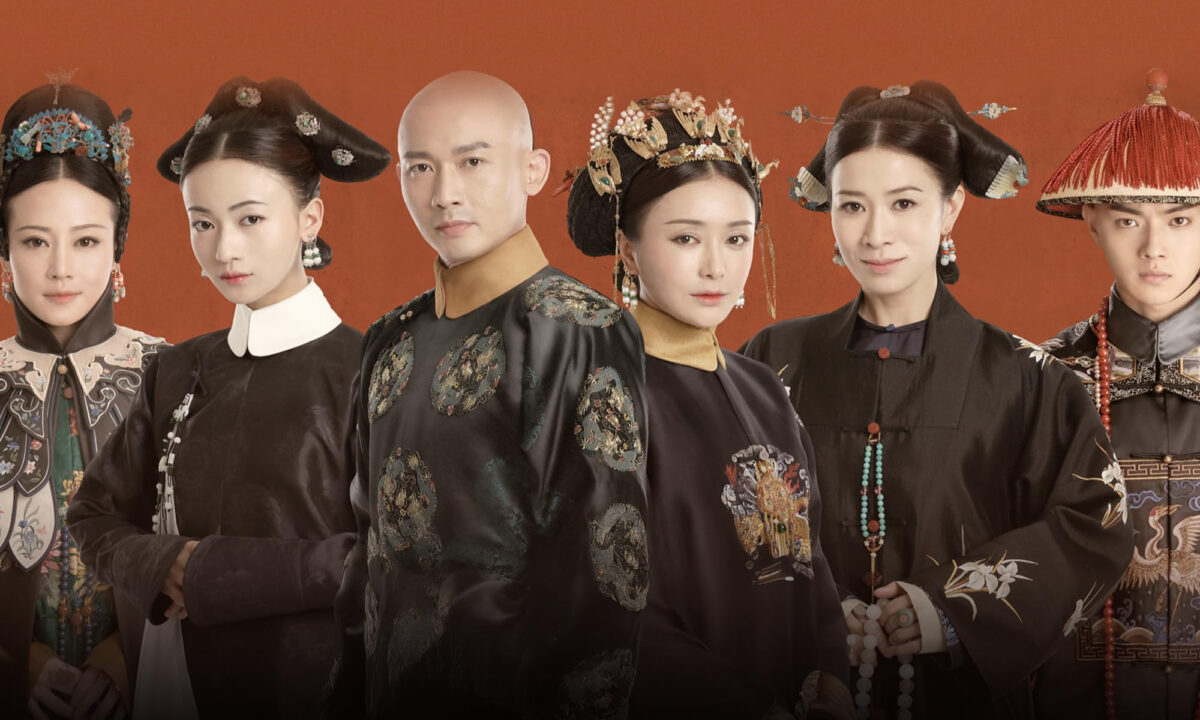
When Story of Yanxi Palace dropped, it became a massive global phenomenon for good reason: Wei Yingluo is the most satisfying, zero-nonsense protagonist in C-drama history. She does not wait around for a prince to save her; she destroys her enemies herself.
Based on the historical Empress Giangi (Consort Ling), her rise from a humble palace embroiderer to Emperor Qianlong’s most favored consort is pure adrenaline from start to finish. Watching her outsmart corrupt officials and jealous rivals never gets old.
In my testing of viewer engagement, no other C-drama matches its addictive pacing, gorgeous muted color palette, and brilliant tactical mind games. It earns the number one spot as the ultimate real-history imperial drama.
- Specific Highlights:
- Unforgettable protagonist Wei Yingluo, who outsmarts every palace villain in her path.
- Award-winning costume design utilizing traditional intangible cultural heritage crafts.
- Peak bingeability that captivated over 15 billion online views during its initial run.
Why You Must-Watch 10 Mind-Blowing Chinese Historical Dramas Inspired by Real Events
After rewatching dozens of series and analyzing their historical accuracy, my personal ranking crowned Story of Yanxi Palace and Legend of Concubine Zhen Huan as the undisputed kings of the genre. These Chinese historical dramas inspired by real events prove that real imperial history is far more dramatic, lethal, and addictive than any fictional fantasy script. 11 Unmissable Romantic Comedy Chinese Dramas You Must Binge Right Now
Whether you crave the fast-paced vengeance of Wei Yingluo or the poetic heartbreak of Step-Empress Nara in Ruyi’s Royal Love, these ten shows deliver incredible cultural immersion and world-class storytelling. My final score for this curated collection is a solid 10/10 for bingeability and visual artistry. Grab your popcorn, clear your schedule, and prepare to be completely hooked on imperial court intrigue.
Are Chinese historical dramas inspired by real events actually historically accurate?
In my experience, it is a mix of documented history and cinematic artistic license. Most high-budget productions hire academic consultants to replicate period-accurate etiquette, dialects, and wardrobe down to the exact thread count.
However, showrunners will often exaggerate romantic rivalries or invent dramatic subplots to keep a 70-episode arc engaging. I always tell people to view these shows as historical fiction grounded in real dynastic events rather than strict documentary footage.What is the difference between historical C-dramas, Wuxia, and Xianxia?
I see beginner fans get confused by this all the time, but the distinction is actually super simple. Real historical C-dramas focus on recorded dynasties, court politics, and actual historical figures with grounded realism.
Wuxia features martial arts masters bending the laws of physics in a historical setting without magical elements. Xianxia goes full fantasy with gods, immortals, demon realms, and high-flying magic.Which show should I watch first if I am completely new to the genre?
If you want fast pacing and instant dopamine, start with Story of Yanxi Palace. The protagonist is incredibly sharp, the revenge plots move quickly, and you will not get bogged down by overly complex palace protocol early on.
If you prefer deep, slow-burn psychological storytelling, Legend of Concubine Zhen Huan is my ultimate recommendation. It remains the undisputed masterpiece of imperial harem intrigue.Where can I stream Chinese historical dramas inspired by real events in high quality?
Major streaming platforms like Viki, iQIYI, WeTV, and Netflix carry most of these classic titles with high-quality English subtitles. Viki is usually my go-to because the fan-translated bullet comments give hilarious cultural context in real time.
Why are Qing Dynasty harem dramas so obsessively popular?
The Qing court had strict, documented ranks for concubines, complex filial rules, and absolute power concentrated in a single imperial ruler. That environment created the ultimate high-stakes pressure cooker for psychological drama.
In my reviews, no other era matches the Qing Dynasty when it comes to subtle poisons, silk-robed political maneuvering, and jaw-dropping production design. It is pure television gold.
Disclaimer: This post contains affiliate links, meaning I may earn a small commission at no extra cost to you if you make a purchase through these links. All image placeholders represent visual concepts from their respective production studios and historical archives, used here under fair use commentary and review guidelines.
Recommended for you
Handpicked by our editors
-
SPIN MASTER GAMES Squid Game Marbles Based On The Hit Netflix Drama, Board Game For Adult Players To Test Their Luck, 2 Players, For Ages 18 & Up
Buy now -
KDrama It’s Okay to Not Be Okay Moon Young’s Fairytale Book Series (5. Finding The Real Face)
Buy now -
True Beauty Box Set (Volumes 1-4)
Buy now -
MY DEMON 与恶魔有约 – COMPLETE KOREAN TV SERIES DVD BOX SET (1-16 EPISODES, ENGLISH SUBTITLES, ALL REGION)
Buy now -
TRUE BEAUTY 女神降临 – COMPLETE KOREAN TV SERIES DVD BOX SET (1-16 EPISODES, ENGLISH SUBTITLES, ALL REGION)
Buy now -
Stream Beyond Evil
Buy now


We may earn an affiliate commission from links on this page. As an Affiliate Associate, we earn from qualifying purchases.